If MSCI blocks "more than half of DAT market capitalization companies", will it trigger a sell-off of more than 10 billion US dollars?
Morgan Stanley's MSCI index plans to eliminate companies with too high "currency content", could it trigger a $15 billion selling pressure on passive funds?
(Previous summary: Readers submit a letter "Why MSCI has to take action? Strategy is shaking the index system)
(Background supplement: MicroStrategy requires the MSCI index to withdraw the "removal of MSTR" proposal: the 50% currency holding red line is baseless, which is stifling American innovation!)
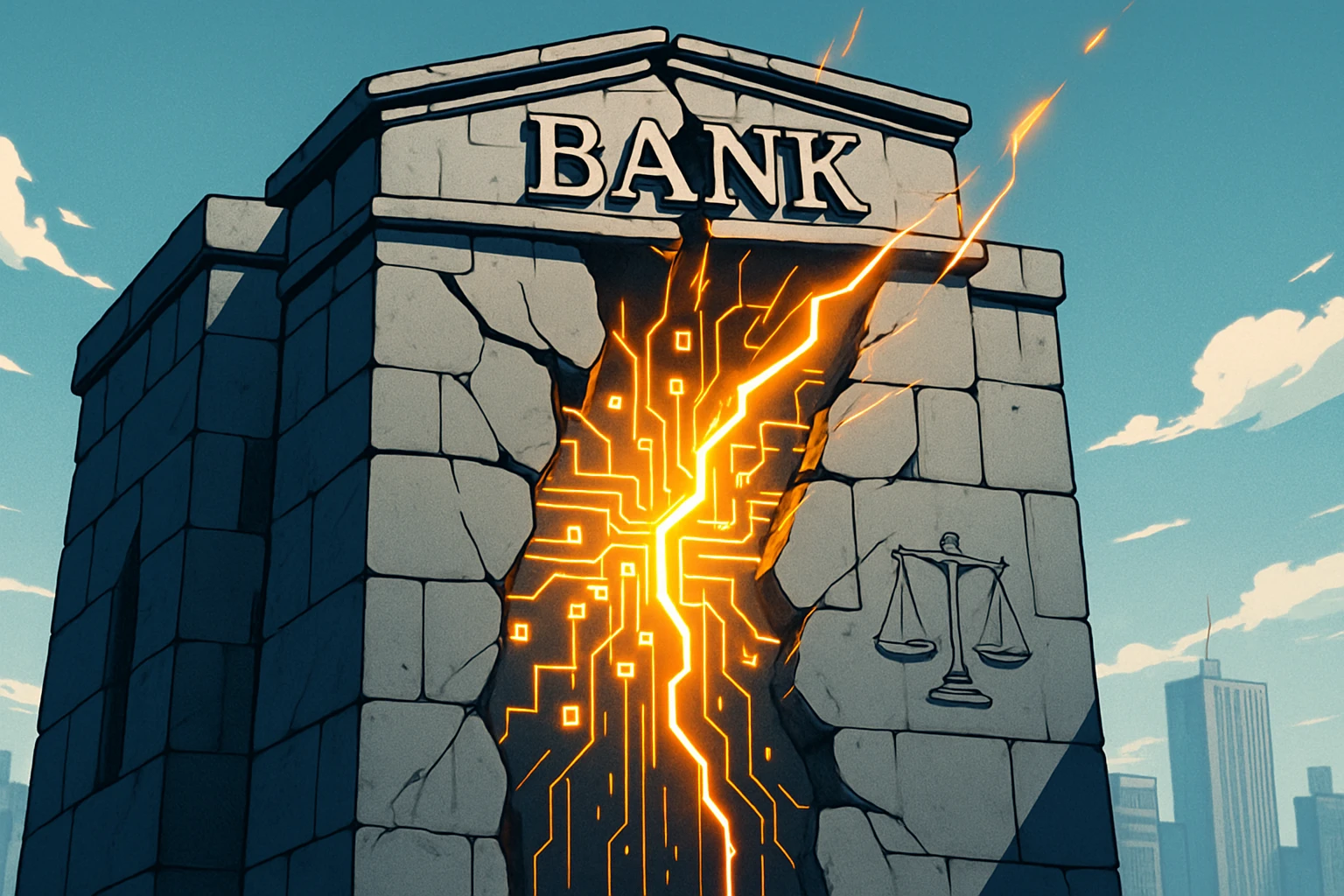
Less than a month away from the "Judgment Day" on January 15, 2026, the index leader MSCI It is planned to reclassify companies with "digital assets accounting for more than half" of their balance sheets and kick them out of the Global Investable Market Index. On the surface, it is a classification adjustment, but in fact, under the mechanical execution of passive funds, it may trigger forced selling pressure of more than 10 billion US dollars, becoming the first crypto bomb in the crypto market in 2026.
What are MSCI’s new proposed regulations?
The draft labels crypto reserve companies as "Digital Asset Treasuries (DATs)" on the grounds that "the stock price fluctuation characteristics are similar to those of Bitcoin ETFs." Once it becomes official next year, these companies will not be eligible for inclusion as "industrial companies" and must be removed from the MSCI Global Investable Market Index.
Recent statistics from the opposition "BitcoinForCorporations" organization show that there are 39 companies on the affected list, with a total market value of US$113 billion. If MSCI really cuts off these DATs, passive funds will need to adjust their positions by US$10 billion to US$15 billion. For the crypto sector, which has been falling for three consecutive months, this withdrawal of liquidity may be the trigger that crushes leverage.
Mechanical selling pressure of passive funds
Passive funds track the index, and their only goal is to minimize the tracking error. If the index is removed, the fund must sell. This has nothing to do with artificial panic. If MSCI finally makes a decision, the market will see a cycle of "price decline → net value deviation → passive selling → price drops again".
Strategy accounts for 74.5% of the US$113 billion market value, almost determining the overall impact. JPMorgan Chase estimates that if it loses its index seat, passive funds alone may dump $2.8 billion in stocks, which is enough to deal a blow to MSTR's stock price and financing ability.
Once the stock price is under pressure, the company's balance sheet will also shrink, and it is not ruled out that some Bitcoins will be sold to maintain liquidity. The price decline will once again drag down the stock price, forming a typical "stock and currency double kill" reflexive spiral.