Five reds for one gold? The skin market collapsed after the "Absolute Force 2" update
Valve updated the skin exchange mechanism of "Force 2", causing a major shock in the market. The game's skin economy evaporated US$1.7 billion overnight. This article originates from an article written by Dani Di Placido, compiled, compiled and written by PANews.
(Preliminary summary: Pocketpair, the developer of Phantom Beast Parlu, "rejects AI, Web3, and NFT games": We don't want inferior games)
(Background supplement: Microsoft's XBOX empire collapsed? It is rumored to cancel the development of game consoles, and European and American users launched a wave of cancellations)
Game developer Valve launched "Counter-Strike 2" (Absolute Force) on October 23 2) The latest patch has been released, focusing on game mode expansion, map optimization, item contract mechanism adjustments and performance improvements.
It is worth noting that this update has expanded the Trade Up Contract (upgrade and replacement) function, and the item exchange system supports the exchange of the following items:
- 5 pieces of StatTrak™ stealth quality skin (red) can replace 1 StatTrak™ knife
- 5 pieces of ordinary stealth quality skin (red) can replace 1 ordinary knife or 1 pair of ordinary gloves
Valve ’s major update threw the Force 2 community into chaos and caused an uproar on the Steam Market, causing the value of skins purchased with real money to fluctuate significantly. Overnight, the collapse of the skin market dropped the market value of Force 2 from $5.9 billion to $4.2 billion.
Why are the skins in "Absolute Force 2" so valuable?
Force 2, the popular first-person shooter game developed by Valve, has a booming skin economy. Players can "invest" their money in expensive skins, which can be purchased and resold on the Steam Marketplace or third-party sites (in fact, some believe the update is intended to lure third-party traders back to Steam so Valve can get a piece of the action).
Prior to this controversial update, the value of rare skins tended to rise steadily over time, with many players spending staggering sums of money to obtain those hard-to-find skins, and some even profiting from buying and selling skins on Steam.
The rarity and value of skins are distinguished by color. Gray and blue are relatively common, while the most precious colors are red and gold. Players can use ten skins of the same color to upgrade to the next color, with the exception of golden skins.
Gold skins (including knives and gloves) are the rarest and most precious skins in the game and cannot be exchanged for red skins.
Before the update, golden skins could only be obtained by opening weapon boxes containing random skins, and the possibility of actually drawing golden skins was extremely low.
As a result, the rarest gold items can often fetch thousands of dollars on Steam's marketplace.
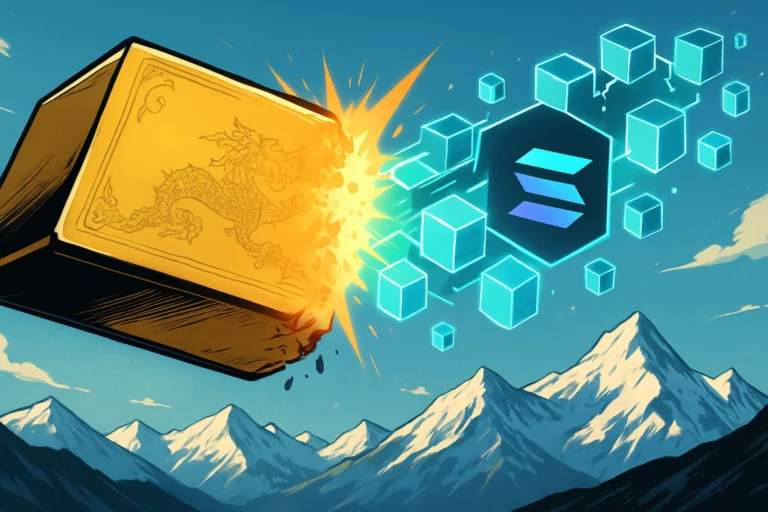
In other words, Valve's controversial update changed the long-standing rules and allowed players to exchange red skins for gold skins, completely disrupting the market.
The value of golden skins plummeted overnight, and the price of cheap red skins soared. The market was forced to adapt to this new trend, triggering panic buying and selling among players. Think of Force 2's skin economy as an NFT craze, where the artificial scarcity of digital items creates actual monetary value—at least for a while.
Like NFTs, the skin market for Force has never been a stable investment, as the skins have no value outside of the game and their rarity is entirely dependent on Valve’s whims.
Faced with this update, the player community of "Force 2" was thrown into chaos, posting memes and lamenting their loss. Some joked that Valve CEO Gabe Newell had restructured the economy to make knives more affordable for average gamers.
While the update was a disaster for big investors, overall player reaction was mixed, with some arguing that the entire skin economy was a waste of time and money, while others were (understandably) angry that their "investment" had gone up in smoke without warning.
This is by no means the first time that a video game has developed its own economy (in which players invest real money). "Roblox", "World of Warcraft", "Eve" and some "Minecraft" servers all have player-driven markets, and their prices fluctuate according to supply and demand.
Gamers invest a lot of time and energy into the games they love, and are willing to pay real money for in-game luxuries and coveted accessories, or even purely cosmetic upgrades like skins.
Just like NFT investments or volatile cryptocurrencies, all that value can be wiped out overnight.